Fashion changes rapidly: some trends disappear after a season, while others return after decades. However, there are materials that remain relevant beyond time. One of them is denim fabric, or simply denim. This material long ago ceased to be exclusively workwear and has become a universal symbol of style, comfort, and practicality.
For those involved in clothing production, high-quality sewing patterns for women’s denim clothingare particularly in demand. They allow the creation of modern and comfortable designs with perfect fit.
Features of modern denim
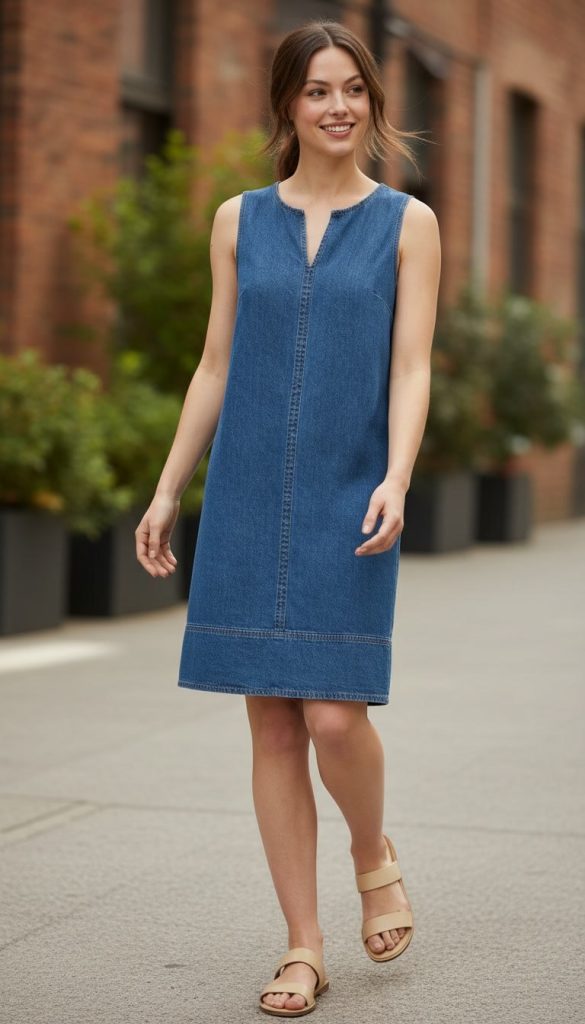
Features of modern denim is the combination of practicality, comfort, and stylish appearance. Denim is suitable for creating a wide variety of garments: from classic jeans to jackets, sundresses, shirts, skirts, and accessories.
Modern manufacturers offer a large selection of denim fabrics: heavy classic denim, stretch denim with added elastane, lightweight denim for summer clothing, washed and distressed denim, colored denim fabrics, and fabrics with decorative treatments and prints. Thanks to this variety, denim works equally well for everyday wear and fashionable designer collections.
Advantages of Denim Fabric
- Strength and Durability Denim fabric is characterized by high wear resistance. Denim garments retain their shape and attractive appearance for a long time, even with active use. This makes the material especially popular for everyday clothing.
- Versatility Denim easily combines with various styles — from casual to streetwear and classic. Denim clothing is suitable for almost any age and season.
- Comfort in Wear Modern denim fabrics have become softer and more elastic. Materials with added stretch provide a comfortable fit and freedom of movement, which is especially important for everyday clothing.
Denim remains in demand regardless of fashion trends. Every season, designers offer new interpretations: oversize models, wide leg cuts, raw edges, vintage effects, and unusual shades.
When choosing denim, it is important to consider the purpose of the future garment. Dense denim is suitable for jeans and jackets. For dresses, shirts, and summer clothing, it is better to choose lightweight denim. Stretch denim is recommended for figure-hugging models. For designer pieces, you can use fabrics with distressing effects, embroidery, or decorative finishes.
Why It Is Important to Use High-Quality Sewing Patterns
Even high-quality fabric does not guarantee a good fit without a properly constructed pattern. Professional sewing patterns for women’s clothing help to:
- Reduce cutting time;
- Achieve precise garment fit;
- Avoid sewing mistakes;
- Create modern clothing designs;
- Work effectively for both beginners and professional seamstresses.
Ready-made patterns for denim clothing are especially convenient for tailoring studios, designers, online stores, and home sewing.
Where to Buy Sewing Patterns for Women’s Denim Clothing
Our online store offers modern sewing patterns for women’s denim garments. Here you can choose ready-made patterns for jeans, skirts, dresses, shirts, and other women’s clothing models. We provide:
- Professional patterns with precise fit;
- Modern women’s clothing designs;
- Patterns in different sizes;
- Patterns for beginners and professionals;
- Convenient purchase and download formats: PLT and PDF.
Denim remains fashionable beyond time, and high-quality patterns help create stylish and in-demand women’s clothing with minimal time spent on pattern development.
How to Choose Denim Fabric: Composition and Density Recommendations
When choosing denim fabric, it is important to consider not only the appearance of the material but also its composition, density, and the intended purpose of the garment. These parameters directly affect the fit, wearing comfort, durability, and final appearance of the product.
Denim density is one of the key parameters when selecting fabric. It is usually measured in ounces (oz) or grams per square meter (g/m²). Conversion formula: 1 oz ≈ 33.91 g/m².
Lightweight Denim — for Summer Collections
Recommended density: 4–8 oz (approximately 140–270 g/m²) This material is suitable for: summer dresses and sundresses, shirts, lightweight skirts, children’s clothing, summer shorts, and skirts. Lightweight denim drapes well, is comfortable in hot weather, and works great for relaxed silhouettes. Especially popular: chambray, thin stretch denim, and soft lightweight jeans.
Tip: For summer dresses and sundresses, it is best to use denim in the 6–9 oz range.
Medium Density — the Universal Option
Recommended density: 8–11 oz (approximately 270–370 g/m²²) This is the most versatile category of denim. Such fabric is suitable for: women’s jeans, skirts, shirts, sundresses, and demi-season items. Medium-weight denim holds its shape well while remaining comfortable for everyday wear. For most women’s jeans models, the optimal density is: 9–10 oz for stretch models and 10–11 oz for classic jeans.
Heavy Denim — for Jackets and Classic Jeans
Recommended density: 12–15 oz (approximately 400–510 g/m²) Heavy denim is used for: denim jackets, oversize models, classic straight jeans, workwear, dense skirts, and suits. Such fabric: holds its shape excellently, has a pronounced texture, and offers high durability. For jackets and blazers, denim with a density of 12–14 oz made of 100% cotton is especially popular.
Ultra-Heavy Denim
Density: 15 oz and above. Used primarily for: premium denim, men’s models, designer items, and raw denim style clothing. This fabric is stiff and requires some sewing experience. The higher the density, the more expensive the fabric and the more complex the sewing process.
Denim Fabric Composition
Classic denim is traditionally made from cotton. However, modern denim fabrics often have a blended composition that makes the material more comfortable and practical.
100% Cotton
Natural cotton denim is the classic of denim fashion. This fabric: offers high strength, holds its shape well, has a characteristic texture, and ages beautifully over time.
Ideal for: classic jeans, denim jackets, dense skirts, vintage-style items, and oversize garments. However, pure cotton has almost no stretch, so it is less comfortable for figure-hugging models.
Denim with Elastane (Stretch Denim)
Adding 1–5% elastane makes the fabric more elastic and comfortable. This material: fits the figure better, does not restrict movement, and is suitable for bodycon styles.
Stretch denim is recommended for: skinny and slim jeans, figure-hugging skirts, bodycon dresses, and women’s denim trousers.
Denim with Polyester
Polyester is added to increase wear resistance and reduce shrinkage. This material: retains its shape longer, wrinkles less, and is more resistant to deformation.
However, too much synthetic fiber can reduce comfort and appearance. For quality women’s clothing, it is advisable to choose denim where polyester content does not exceed 15–20%.
Additional Recommendations:
- Beginners should start with 8–11 oz — this fabric is more forgiving.
- Stretch denim is usually made slightly lighter (1–2 oz less) than non-stretch to maintain comfort.
- The higher the density, the more expensive the fabric and the more complex the sewing process.
When choosing fabric, pay attention not only to weight but also to composition.